If you have a science degree, does it matter if your diploma says BA or BS? Nope. Continue reading
Month: October 2017

Recommended reads #115
StandardAcademic blogging as “inreach”
StandardPeople have been saying “blogging is dead” consistently for the past decade. Yet, fellow readers, here we are, on this blog. Individual blogs retire, yet academic blogs are thriving as much as ever. Blogs have evolved. Continue reading
Time limits and test anxiety
StandardWhen the clock is going TICK TICK TICK, it can be hard to think clearly, because you’re anxious about the clock.
Math anxiety is well understood, and no small part of this comes from the pressure of timed tests. Ultimately, some people take tests faster than other people. I would hope that you want your tests to measure how much students have learned, not their ability to take tests under pressure. If this is the case, then everybody taking the test needs to feel that they have adequate time. Continue reading
Recommended reads #114
StandardScientific identity crisis
StandardWell, all right, maybe identity crisis is a little overly dramatic.
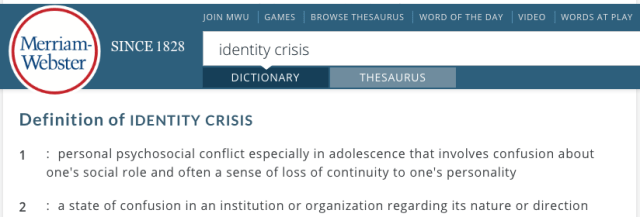
However, I have been mulling over my science identity for a while now even if I’m not confused about what kind of science I want to be doing. It often comes up when you need to apply for grants or have that brief introduction at a conference and the like. But for me building that departmental webpage is a real act of defining who you are and what you do. Continue reading
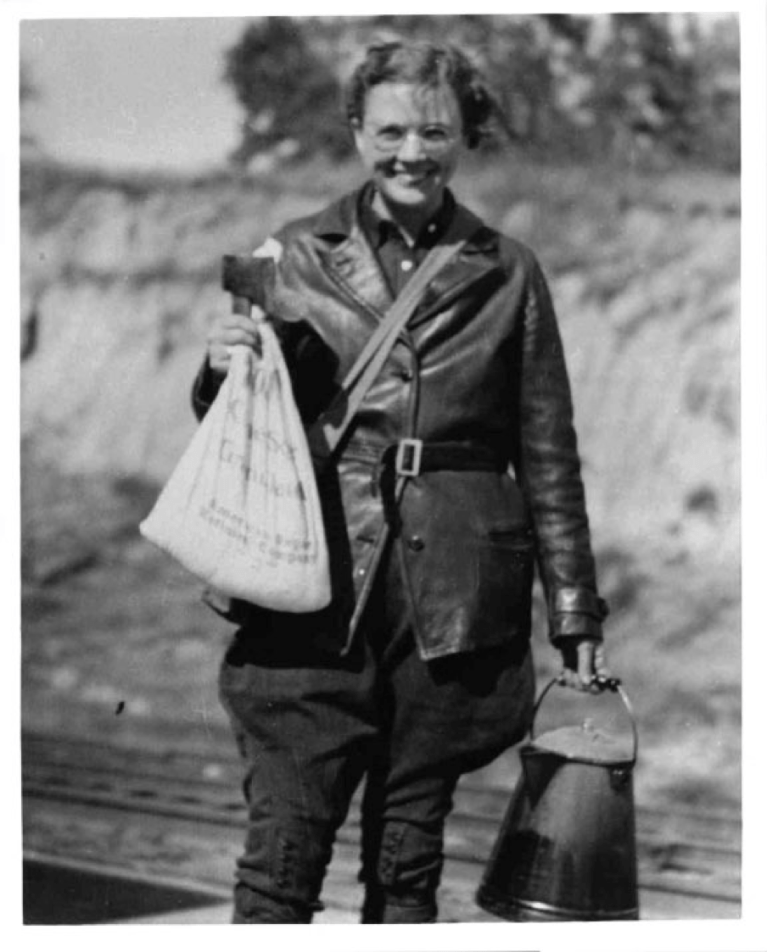
Mary Talbot, pioneering ecologist and myrmecologist
StandardAda Lovelace Day lands on Tuesday, 10 October. Here’s a post to honor Mary Talbot. She was a pioneer whose contributions were undervalued in her time, and that condition has persisted to our own time. Here’s a small attempt to rectify that situation. Continue reading
Bringing ecology blogging into the scientific fold
Standard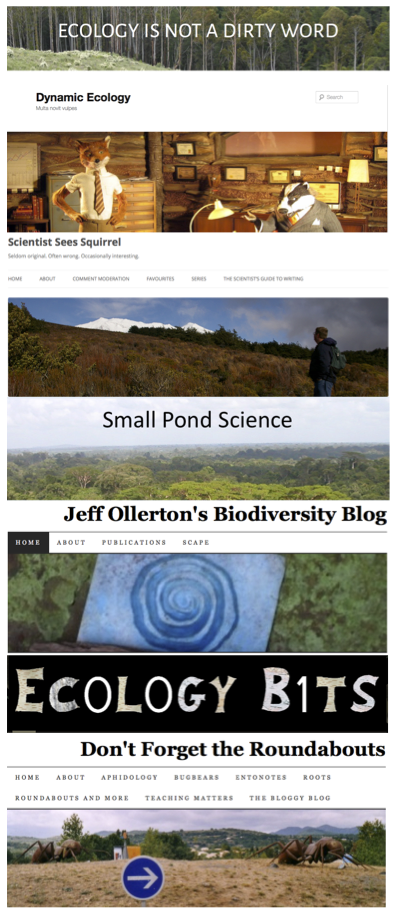
We’re co-authors on a new paper on “Bringing ecology blogging into the scientific fold: measuring reach and impact of science community blogs”. Of course we encourage you to go ahead and read the paper, because it doesn’t just have our perspectives but is the work of a collection of great bloggers. You can read what our coauthors make of our new paper, too: Manu Saunders of Ecology is Not a Dirty Word, Jeff Ollerton’s Biodiversity Blog, Meg Duffy from Dynamic Ecology, Simon Leather’s Don’t Forget the Roundabouts, Stephen Heard’s Scientist Sees Squirrel, and Margaret Kosmala’s Ec0l0gy B1ts.
If you don’t get to read the publication, our main take home is that there is a large group of people who do read science community blogs, and the influence of these blogs is larger than many realize. Continue reading
Are REU programs as amazing as their reputations?
StandardI know a lot of scientists who got their start from an REU (Research Experiences for Undergraduates) program. One summer as an REU has the potential to be transformational.
Advancing science in the US (and elsewhere) requires us to fund undergraduate research, and ensure that undergraduate researchers have thoughtful and attentive mentorship. We already spend a lot of money on training students – and I’d like to make sure that these efforts have the biggest bang for the buck. We are focused on broadening representation, but we haven’t seen the changes we need. Can we make REU programs* more effective? Continue reading
 Small Pond Science