I’m writing this entire blog post to share one cool tip: Continue reading
Uncategorized
How often are you cited correctly?
StandardSometimes, I get cited incorrectly. I have some feelings about this. Continue reading

Recommended reads #122
StandardThis is wonderful: NSF is now requiring awardee institutions to report findings of sexual harassment by personnel on NSF grants, and to report when individuals are placed on leave related to an investigation. And they are prepared to take serious measures in response. Here’s the NSF statement, and related stories published by Nature and The New Republic. (How bout rounding up a few PIs and your Title IX coordinator, and schedule a meeting with the person in charge of post-award at your university, to make specific plans for implementing this, including the reporting mechanisms and training that NSF expects.)
Intellectual property law 101 for academics Continue reading
When the trash gets passed
StandardThe term “passing the trash” is commonly used to describe when sexually abusive K-12 teachers and priests get quietly shifted to new schools and parishes, where they assault more people.
We also use this term in higher ed, when professors who commit sexual misconduct are allowed to slink out of their universities with the approving silence of their administration, only to harm more students in their new jobs. Continue reading
Science has an atheism problem
StandardAn alternative title for this post might be: Atheism has a jerk problem. Continue reading

Recommended reads #121
StandardThings that are useful to know when you’re teaching with active learning
What I’ve learned from my 4 year old (By the way, I’m psyched that Viet Thanh Nguyen is now a contributing opinion writer for the NYT, I’ll be keeping an eye out for his future pieces)
If you love teaching, a research university might be perfect for you
Standard“I like teaching, and I didn’t want the same stress-packed life as the professors in my PhD program, so a faculty position at a teaching-focused university is a good fit for me.”
I’ve heard something like this more times than I can possibly count from grad students, postdocs, and professors. It’s something that I used to say myself. But now I think this statement is built on two big fallacies. Continue reading
What a good recruitment weekend looks like
StandardWhat should departments do when running a grad student recruitment weekend — and what should they avoid? Continue reading

Recommended reads #120
StandardStart the first day of class by telling your students an engaging story.
The Biology Department of San Francisco State wrote a detailed academic paper about a successful department-wide professional development plan to improve their teaching.
Scientific knowledge is drowning in a flood of research. Continue reading
Door Language
StandardIf you keep your door open, do your students know that this means that you’re available for a conversation? Continue reading
Preparing for the challenge of 2018
StandardAt this writing, I’m halfway through a break to rest and recharge. It’s been quite pleasant. Continue reading
Small Pond Science’s Greatest Hits of 2017
StandardHappy Christmas! I hope you’re having a pleasant break.
This is the 90th post of 2017. It’s been a horrible year for scientists and academics based out of the US, and for democracy in general. But Small Pond Science continues to grow. Here’s a look at the Top 5 posts of 2017. And also 5 more posts that we’re proud of, that didn’t make it into the Top 5. Continue reading

Recommended reads #119
StandardHere is a Digital Studies 101 lab, to guide students in a direct exploration of the Dark Web.
This three-part story about data storage is amazing and important. I had no idea how much of the data being stored today is still on magnetic tape, nor an idea of the consequences.
Skype A Scientist (Skype a Classroom!)
StandardIt is time to sign up for skypeascientist. This is a program connecting scientists with classrooms. It gives students and teachers a chance to talk to real living scientists and scientists a chance to chat with students. This fall I met with a class in England and hope to be matched again.
If you are curious how this works here are some thoughts on my experience: Continue reading
Academia selects against community ties
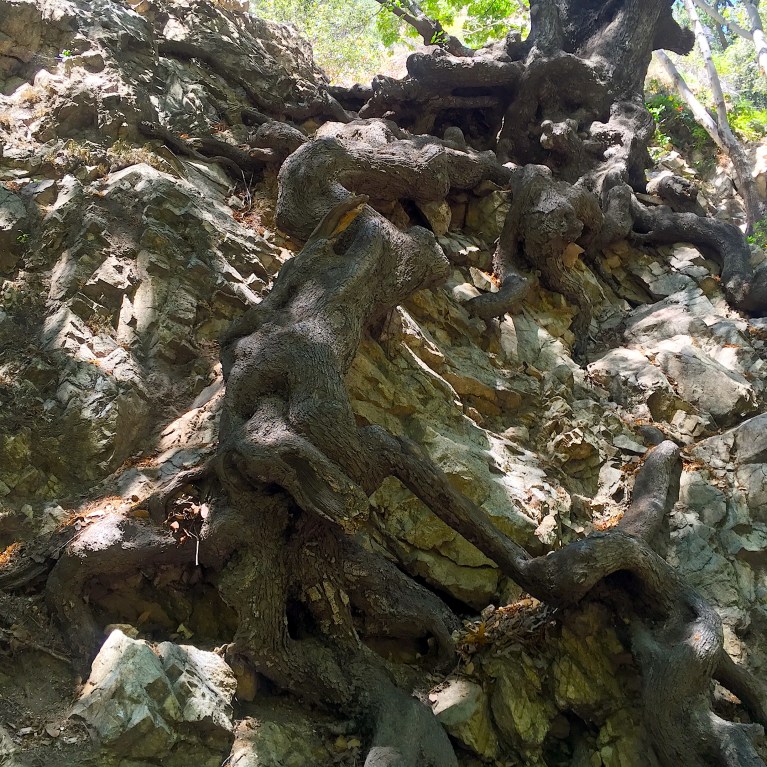
StandardAcademics tend to harbor a conceit that our job is really different from other jobs.
This might not be as true as folks like to believe, though we have flexibility and freedom to do almost whatever we want. Another thing that makes us really different from most people is that we move around a lot. Most of us are close to or well past 30 before we move to the city where we’ll set down some serious roots. And, there’s a decent chance that we’ll move again.
I think one consequence of academics being so mobile is selection against involvement in the local community. Continue reading
Sending campus exchanges the other way
StandardThere’s a bunch of funding from federal agencies to send faculty at teaching institutions to leave their own labs, to work temporarily in other research labs. Continue reading
Recommended reads #118
Standard
Is grading an effective teaching practice?
StandardGrading is a necessary evil. Continue reading
On the need for public academic blogs
StandardAnybody can set up a blog and write a post, yet the reach of these posts varies dramatically.
Let’s say you have an interesting or important idea for fellow ecologists. For example, you want to report on a great symposium, or just read a really cool paper with a big idea and want to discuss those further. Or you want to review a book, or share safety tips for fieldwork, or write more broadly about a new paper of your own. Or perhaps a response to an absolutely horrid op-ed piece that you read in the Washington Post last week. You’re not going to write these in a peer-reviewed journal, but what would you do?
At the moment your options are:
- Post an email to ecolog-l
- Write on social media
- Write a post on your personal site
- Be friends with someone who runs a blog
- Do nothing
I think there’s a missing option, and I’d like to fix this. Continue reading

Recommended reads #117
StandardWhen reviewers know the identity of authors, it turns out that famous names, prestigious universities, and top companies are far more likely to have their papers accepted. This effect was measured in an experiment, and it’s astounding. This is the new paper I will point folks to when they say that single blind or “open” review is more fair. It just isn’t.
A profile of the few people remaining in the US who depend on iron lungs to stay alive, a window into the history of manufacturing, medicine, and our failed social safety net.
By Scientists For Science — The Scientific Society Publisher Alliance. Scientific societies are designed to represent the interests of our own communities, and this new organization is designed to promote society journals. Continue reading
The long game against an anti-science, anti-education government
StandardLike you, I’m exhausted from the political assault on science and education in the United States. But please, stay with me for this little bit, at least when you can find the energy. Continue reading
What are the top 100 must-read papers in ecology?
StandardWith the internet currently atwitter about a new paper in the upstart journal Nature Ecology and Evolution, I have a couple specific thoughts that I’d like to share that go beyond whatever character limit twitter is using nowadays. Continue reading
Starting experiments with a “nut fig”
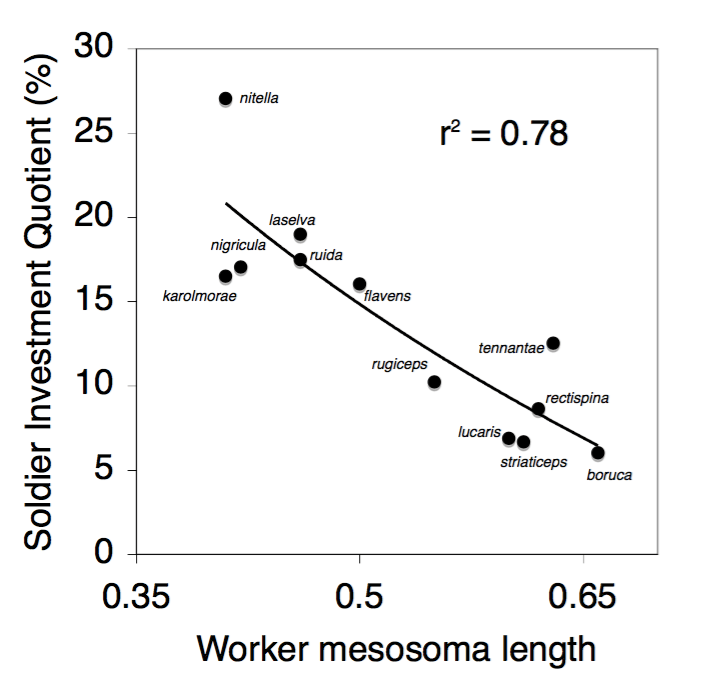
StandardThe term “backwards design” is often applied to curriculum design. If you want your students to learn a particular thing, you start with identifying what that outcome should look like at the end of the semester. Then you design your class backwards from that outcome, to make sure your students have a way to get there.
I think we should be talking more about backwards design when when it comes to statistics and the design of experimental and observational research.
Journalists call the key passage of each story a “nut graf.” Shouldn’t we have a “nut fig” for each experiment, and know what the axes and statistical tests will be before we run an experiment? Continue reading
Recommended reads #116
StandardUnderstanding student resistance to active learning
9 myths holding you back from stellar slides. Not as clickbaity as it sounds.
Deserting students after graduation
StandardThe moment after students graduate, many resources and opportunities become unavailable. This is a problem. Continue reading
The BA/BS distinction is BS
StandardIf you have a science degree, does it matter if your diploma says BA or BS? Nope. Continue reading

Recommended reads #115
StandardAcademic blogging as “inreach”
StandardPeople have been saying “blogging is dead” consistently for the past decade. Yet, fellow readers, here we are, on this blog. Individual blogs retire, yet academic blogs are thriving as much as ever. Blogs have evolved. Continue reading
Time limits and test anxiety
StandardWhen the clock is going TICK TICK TICK, it can be hard to think clearly, because you’re anxious about the clock.
Math anxiety is well understood, and no small part of this comes from the pressure of timed tests. Ultimately, some people take tests faster than other people. I would hope that you want your tests to measure how much students have learned, not their ability to take tests under pressure. If this is the case, then everybody taking the test needs to feel that they have adequate time. Continue reading
 Small Pond Science